



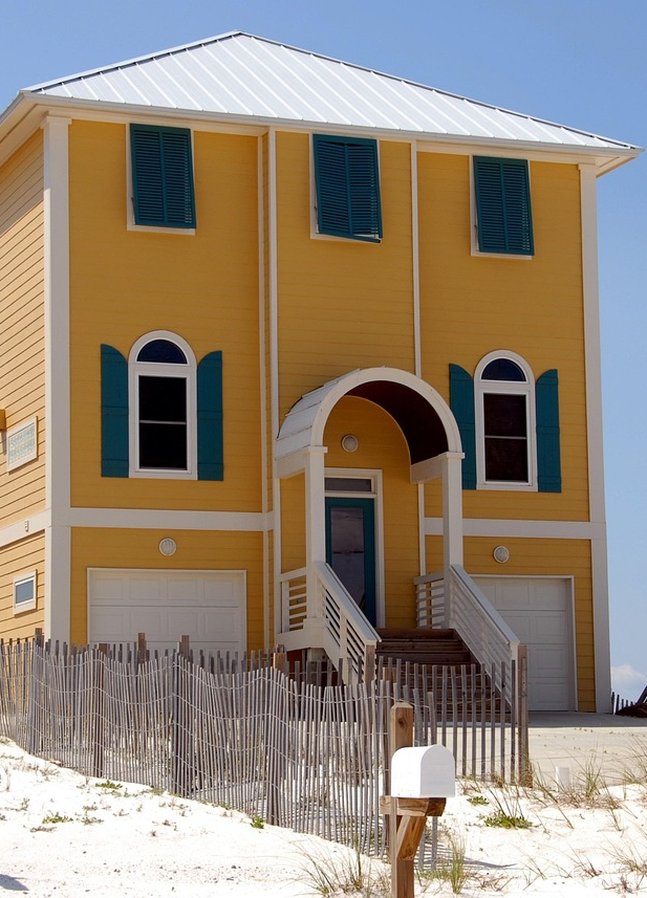


Decking on the Coast: Materials and Maintenance for Salt-Soaked Outdoor Living

A deck is one of the best parts of a coastal home. It's where you watch sunsets, eat meals outside, and feel the ocean breeze. But it's also the exterior surface that takes the most direct abuse from salt, sun, rain, and foot traffic. A deck that would last 20 years inland might struggle to reach 10 on the coast without the right materials and maintenance.
The good news is that today's decking options are better than ever, and with a smart approach, you can build a deck that looks great and holds up to the marine environment.
Choosing Decking That Survives Salt and Sun
Pressure-treated wood is the traditional choice, and it can work on the coast if you choose the right grade and maintain it diligently. Look for ground-contact rated lumber and consider marine-grade treatments. Even then, expect to clean and seal it annually, and inspect for rot and fastener corrosion every spring.
Ipe, teak, and other dense tropical hardwoods are naturally resistant to rot and insects. They weather to a silver-gray patina if left untreated, or you can oil them to maintain a rich color. They're expensive and heavy, and they require stainless steel fasteners, but they can last decades on the coast with minimal care.
Composite decking has improved dramatically in recent years. High-quality composites resist moisture, rot, and insects, and they don't splinter or require staining. The best products are rated for coastal exposure and use capped polymer shells that resist fading and staining. They're not immune to everything — they can get hot in direct sun and may expand and contract — but for low-maintenance coastal living, they're hard to beat.
PVC decking is another strong option. It's fully synthetic, so it won't rot or absorb water, and it's lighter than composite. It can be more expensive and may feel less like real wood underfoot, but it's extremely durable in salt environments.
Whatever you choose, don't overlook the framing and fasteners. The structure underneath is what keeps you safe. Use stainless steel or hot-dipped galvanized hardware, and consider joist tape to protect the tops of framing members from moisture. A deck is only as good as its bones.
Maintenance That Keeps Your Deck Safe and Beautiful
Coastal decks need a routine, but it doesn't have to be overwhelming. Start with a seasonal inspection. Check for loose boards, popped nails, corroded fasteners, and soft spots that might indicate rot. Pay special attention to where the deck meets the house and around posts and railings, since those are common trouble spots.
Clean your deck at least once a year, and more often if you're right on the water. Salt residue attracts moisture and can accelerate corrosion and deterioration. A gentle wash with fresh water and a deck cleaner made for your material is usually enough. Avoid pressure washing at high settings, which can damage wood fibers and composite surfaces.
If you have a wood deck, plan to seal or stain it regularly. On the coast, that often means every year or two, depending on sun exposure. Choose a product with UV inhibitors and mildew resistance, and apply it when the wood is dry and the weather is mild.
For composite and PVC decks, maintenance is simpler: regular cleaning and occasional tightening of fasteners. Check the manufacturer's recommendations for cleaning products, since some composites are sensitive to certain chemicals.
Finally, don't forget the railings. They take the same salt and sun exposure as the deck surface, and they're a safety feature. Inspect them for corrosion, loose connections, and splintering. Stainless steel cable railing and powder-coated aluminum are both excellent coastal choices.
A coastal deck is an investment in your home's enjoyment. Choose materials rated for the marine environment, build with corrosion-resistant hardware, and keep up with a simple maintenance routine. Your deck will reward you with years of safe, beautiful outdoor living.







A coastal deck takes a beating, but the right material and care routine can keep it safe and beautiful for years.
A practical comparison of natural cedar and engineered composite siding for coastal homes facing wind, salt, and driving rain.
The openings in your walls are where storms get in, so here is how to seal and protect windows and doors on a coastal home.
Standing seam metal roofing handles salt, wind, and rain better than asphalt shingles in coastal climates, and here is why.
Good coastal design is not just about looking beachy, it is about choosing materials, colors, and shapes that survive wind, salt, and sun.