




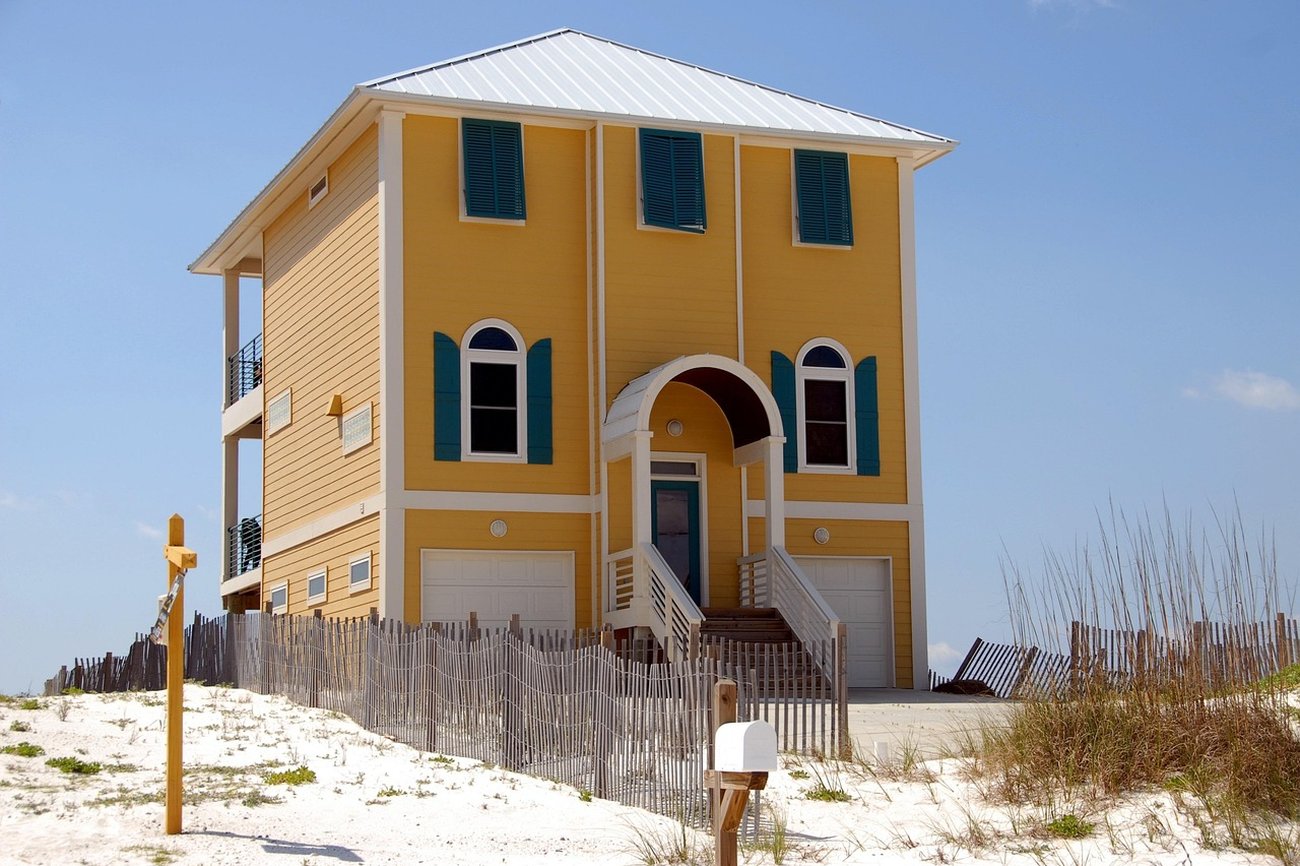

The Coastal Color Palette: Choosing Exterior Finishes That Fight Fading and Salt Staining

Designing a coastal home exterior is a balancing act. You want it to look beautiful, fit the landscape, and reflect the relaxed feel of the shore. But you also need it to survive sun, salt, and humidity without turning chalky, faded, or streaked. The good news is that with a little planning, you can have both — a home that looks like it belongs on the coast and holds up to it.
Color choice is about more than aesthetics on the coast. Dark colors absorb heat and can cause siding and trim to expand and contract more, which stresses paint and caulk joints. Light colors reflect heat and tend to hide the chalky residue that UV exposure creates. That doesn't mean you can't use dark accents, but the main body of the house benefits from a lighter palette.
Colors and Finishes That Last
Whites, creams, soft grays, and pale blues are coastal classics for a reason. They look fresh against the sky and water, and they age gracefully. But not all whites are equal. Pure titanium dioxide whites can chalk over time, leaving a powdery film. Look for finishes formulated with UV stabilizers and mildewcides, which are especially important in humid coastal climates.
For trim and accents, consider deeper shades of blue, green, or charcoal. These can anchor the design and add contrast without overwhelming the house. Just be aware that dark colors show salt spray and water spotting more readily, so they may need more frequent cleaning.
Finish type matters as much as color. Factory-applied finishes on siding, trim, and doors generally outperform field-applied paint because they're cured in controlled conditions and bonded more thoroughly. If you're painting on-site, choose a 100% acrylic latex with a satin or eggshell sheen. Flat finishes can look elegant but tend to hold dirt and chalk more. High-gloss finishes show every imperfection and can be too reflective in bright coastal light.
Stains and transparent finishes on wood require more maintenance, but they can look stunning on cedar or mahogany accents. Just plan to reapply every few years, and use a product specifically formulated for coastal exposure.
Design Details That Reduce Maintenance
Color and finish are only part of the story. The way you detail your exterior can dramatically reduce how often you need to clean, repair, or repaint.
Deeper roof overhangs protect walls from rain and sun, which extends the life of paint and siding. Wide eaves also create shade that reduces heat gain and UV exposure. If you're designing from scratch, don't skimp on overhangs — they're one of the most effective low-tech weatherproofing tools available.
Trim and fascia should be made from materials that resist moisture and rot. PVC trim, fiber cement, and composite materials all outperform wood in coastal conditions. They hold paint well and don't swell, crack, or feed insects.
Drainage details matter too. Make sure gutters are sized for heavy coastal rain and that downspouts discharge well away from the house. Splash-back at the foundation stains siding and accelerates corrosion on nearby metal. A simple gravel drip strip or splash block can make a big difference.
Finally, think about how your home will be cleaned. Smooth surfaces shed salt and dirt more easily than rough ones. If you choose a textured siding or stone veneer, plan on more frequent rinsing. A gentle annual wash with fresh water — no harsh chemicals — keeps most coastal exteriors looking new.
Coastal design doesn't have to mean constant maintenance. Choose light, UV-stable colors, invest in quality finishes, detail for drainage and shade, and pick materials that tolerate salt. Your home will look great and spend less time demanding your attention.







The right colors and finishes can make your coastal home beautiful and low-maintenance — if you choose them with the environment in mind.
A coastal deck takes a beating, but the right material and care routine can keep it safe and beautiful for years.
A practical comparison of natural cedar and engineered composite siding for coastal homes facing wind, salt, and driving rain.
The openings in your walls are where storms get in, so here is how to seal and protect windows and doors on a coastal home.
Standing seam metal roofing handles salt, wind, and rain better than asphalt shingles in coastal climates, and here is why.