




Designing a Coastal Home Exterior That Stands Up to the Elements
There is a version of coastal design that exists mostly in magazines: white slipcovers, driftwood accents, and a porch that never sees a real storm. Then there is the version that survives on an actual coastline, where the sun bleaches everything, the salt eats metal, and the wind rearranges your furniture. The best coastal homes manage to look relaxed and beautiful while quietly being built like fortresses. That balance is not an accident. It comes from a handful of design decisions made early and followed through.
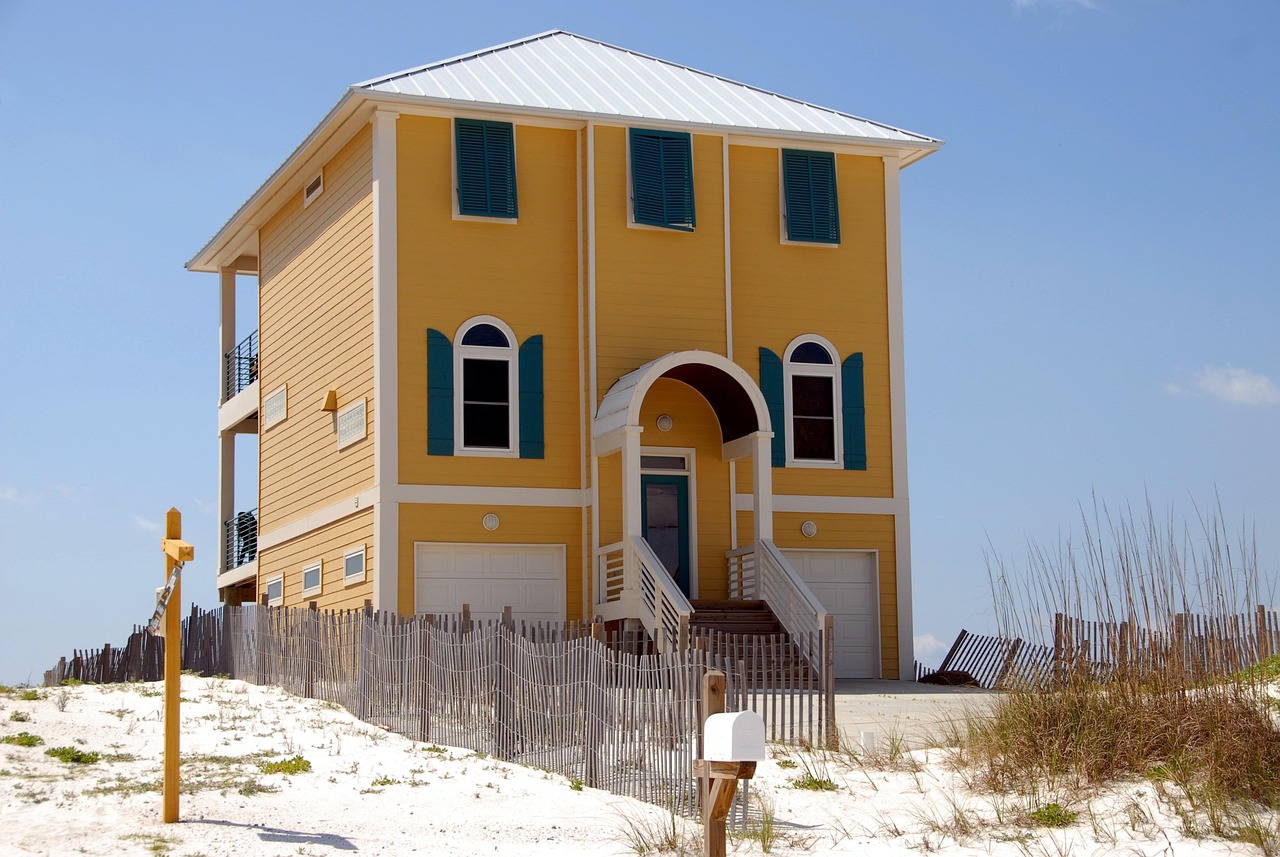
Start with the roof form. Coastal homes traditionally use steep pitches and generous overhangs, and there is a reason beyond style. A steep roof sheds water fast, and deep overhangs protect walls and windows from driven rain. Gable ends, though, are vulnerable to wind uplift, so many coastal designs favor hip roofs or include bracing and proper connections at the gable. If you love the look of a gable, fine, but make sure it is engineered for the wind zone. The shape of the house is the first weatherproofing decision, and it is much cheaper to get right on paper than after framing.
Materials and Colors That Age Gracefully
Salt and UV light destroy finishes. That does not mean you are stuck with gray, but it does mean choosing products rated for coastal exposure. Paints and stains with UV inhibitors, powder-coated or marine-grade metals for railings and fixtures, and composite or cellular PVC trim instead of raw wood in the wettest spots all pay off. Where you do use wood, choose rot-resistant species and be honest about the maintenance. A white trim package looks crisp on a coastal home, but it shows every bit of dirt and mildew, so a light warm gray or soft blue-green can be more forgiving and just as pretty.
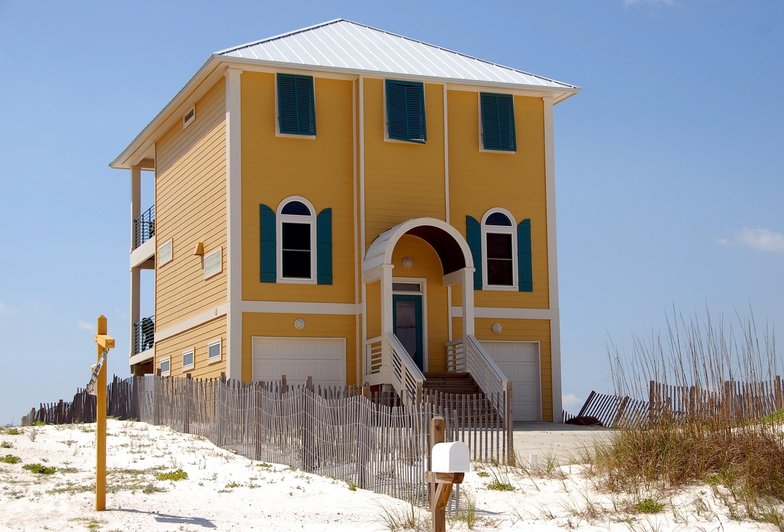
Color is where coastal design gets fun. The classic palette of white, navy, and soft blue works because it reflects the surroundings and because light colors stay cooler in the sun. But do not be afraid of a deeper color on the body with crisp light trim, or a weathered-shingle look with dark windows. The rule that matters is contrast and consistency. Pick a palette and repeat it across the siding, trim, doors, and roof so the house reads as one idea rather than a collection of parts.
Porches, Railings, and the Details That Sell the Look
The porch is the emotional center of a coastal home, and it is also a structural one. Deep porches shade windows and walls, cutting heat gain and protecting openings from rain. Build them with materials that can take moisture, slope the floor away from the house, and use railings that will not rust. Cable and glass railings are popular for views, but powder-coated aluminum or stainless steel hardware is what keeps them standing. Wood railings are lovely but need annual attention near the ocean.
Finally, think about how the house meets the ground. Proper drainage, a raised foundation where flooding is possible, and landscaping that does not trap moisture against the siding all protect the investment. Native coastal plants that tolerate salt and wind look right and need less water. When design and durability point in the same direction, you get a home that looks like it belongs on the shore and is still standing after the season's worst weather. That is the real coastal aesthetic.







Good coastal design is not just about looking beachy, it is about choosing materials, colors, and shapes that survive wind, salt, and sun.
A simple season-by-season routine to keep siding, roofs, and trim in shape against salt, sun, and storms.
Salt air is relentless, but the right siding choice can keep your coastal home looking sharp for decades.
Horizontal rain is a coastal reality, and your walls need a layered defense to stay dry.
From door hinges to roof flashing, the metal on your coastal home is under constant attack — here's how to fight back.